One Day in the Life of Ivan Denisovich
Book Summary & Analysis
Book summary and writing analysis of One Day in the Life of Ivan Denisovich by Aleksandr Solzhenitsyn.
This book works because it asks a brutal dramatic question and refuses to dress it up: can Ivan Denisovich Shukhov finish one ordinary day in a Stalinist labor camp without losing what little dignity and advantage he has? Not “escape,” not “overthrow the system.” Just get to lights-out with his body intact, his ration not stolen, and his inner spine unbroken. If you imitate this novel naively, you’ll chase “important events” and miss the point. Solzhenitsyn builds importance out of the petty, then proves that “petty” can kill you.
The setting does most of the heavy lifting, but not through scenic description. It pins you to a specific winter day in the 1950s in a Soviet corrective labor camp in Siberia: barracks, mess hall, freezing roll calls, the work site, the wire, the guards, the counting. Time itself turns into an antagonist. Every delay means colder hands, less food, more scrutiny. The camp functions as the primary opposing force because it controls temperature, calories, and humiliation. Individual characters—guards, informers, bullies—operate like moving parts inside that machine.
The inciting incident happens early and it looks small, which tempts copycat writers into under-writing it. Shukhov wakes sick and runs late. He risks the punishment cell, he risks losing his place in the food line, and he risks attention from petty authority. That single morning slip forces a full day of tactical decisions. Note the mechanics: one physical problem plus one rule-bound environment equals a chain of consequential micro-choices. The story doesn’t “start” when something explodes. It starts when a routine breaks and the protagonist must pay for it all day.
Solzhenitsyn escalates stakes by tightening resources, not by inflating drama. Food becomes plot. Warmth becomes plot. A scrap of metal becomes plot. A favor from a foreman becomes plot. Shukhov must navigate the social economy of prisoners and the formal economy of the camp, and both systems punish mistakes. Each scene asks: do you trade now or hoard? do you speak or keep quiet? do you help a man or protect your own ration? The reader feels tension because every choice costs something measurable.
The structure looks simple—morning to night—but it runs like a pressure test. Early scenes establish rules and penalties. Midday shifts the arena to labor, where competence can buy small mercy. The work site becomes the book’s engine room: Shukhov’s craft, pride, and alertness let him reclaim a sliver of agency inside forced labor. That’s the midpoint “turn,” not a plot twist. The question becomes less “will he suffer?” and more “can he convert suffering into control, even briefly?”
The climax doesn’t arrive as a showdown. It arrives as a sequence of narrow escapes: the head count, the return through the gates, the search for contraband, the scramble for supper, the risk of confiscation. Solzhenitsyn understands something modern writers forget: bureaucracy creates suspense better than villains do. A guard’s mood, a delayed count, a missing tool—any of these can steal hours, calories, or life.
By the end, Shukhov’s “victory” stays modest on purpose. He eats, he keeps a hidden bit of food, he avoids the hole, he holds onto a sense of workmanship and self-respect. Solzhenitsyn closes the vise and then releases it just enough for relief. That relief teaches you the book’s real method: make the reader feel the stakes in their nerves, then pay off with one inch of safety. If you copy the surface—grimness, cruelty, misery—you’ll write a bleak travelogue. If you copy the engine—scarcity plus rules plus minute choices—you’ll write a story that moves.
Story Structure & Narrative Arc
Story structure and emotional arc in One Day in the Life of Ivan Denisovich.
The emotional trajectory plays like a subversive Man-in-a-Hole: the day begins with physical vulnerability and social exposure, drops into controlled humiliations, then climbs toward a hard-won, limited steadiness. Shukhov starts the day sick and at risk of punishment; he ends it not “free,” but intact, fed, and privately satisfied that he outplayed the system in small ways.
Key shifts land because Solzhenitsyn ties emotion to measurable survival metrics. A warmer moment means actual heat in your hands. A hopeful moment means an extra spoonful, a safer position in a line, a tool not confiscated. Low points hit when the camp’s procedures tighten—roll call, searches, arbitrary authority—because the reader can calculate the loss. The most powerful lift comes at the work site, where competence briefly flips the value charge from pure endurance to earned pride.

Studying this book—and stuck on your pages?
Put your draft in Draftly. Fix scenes and dialogue in the text—not in another tab. When you want sharper feedback, AI editors are ready.
Free welcome credits included. No credit card needed.Writing Lessons from One Day in the Life of Ivan Denisovich
What writers can learn from Aleksandr Solzhenitsyn in One Day in the Life of Ivan Denisovich.
Solzhenitsyn builds narrative momentum out of constraints you can count. Temperature, minutes, portions, tools, rules, and ranks replace “plot twists.” That choice forces you to write clean cause-and-effect: if Shukhov loses his place in line, he loses calories; if he loses calories, he loses strength; if he loses strength, he risks punishment at work. Many modern stories try to manufacture urgency with secrets and shocks. This book shows you a tougher trick: make the reader do arithmetic, then make every subtraction hurt.
The voice stays close to Shukhov’s mind without turning into lyrical self-pity or high-minded lecture. The prose reports, judges, and bargains the way a seasoned survivor thinks. You see it in the way Shukhov notices what matters and ignores what doesn’t: boots, bread, a spoon, a scrap of metal, a warm corner. Writers often confuse “grim setting” with “grim tone.” Solzhenitsyn uses a practical, sometimes wry tone, which makes the cruelty sharper because it doesn’t beg you to feel sad; it makes you feel trapped.
Dialogue works because it functions as negotiation, not exposition. When Shukhov deals with Tyurin, the squad leader, the exchange carries a double edge: respect and fear, camaraderie and hierarchy. Tyurin can protect the squad or trade them away, and everyone talks accordingly. When Shukhov interacts with Alyoshka, the Baptist, Solzhenitsyn creates a clean contrast in worldview without turning either man into a spokesperson. Modern dialogue often over-explains motives. Here, each line aims at a tangible outcome: a position, a portion, a risk reduced.
World-building lands because it anchors itself to concrete locations with repeated procedures: the barracks wake-up, the mess hall, the roll call, the march, the work site, the gate, the search. Each place carries a specific rule set, and the reader learns those rules the way a prisoner learns them—through consequences. A common shortcut today gives you a “lore dump” and calls it immersion. Solzhenitsyn does the opposite: he shows you one rule, then makes your protagonist pay for it, and you never forget it.
How to Write Like Aleksandr Solzhenitsyn
Writing tips inspired by Aleksandr Solzhenitsyn's One Day in the Life of Ivan Denisovich.
Write the voice as if you own nothing except your attention. Keep sentences functional. Let the narration notice what pays and what punishes. If you add poetry, make it earn its calories. Your narrator can joke, but they must joke like someone who cannot afford to be wrong. Watch your moralizing. The book’s authority comes from restraint: it shows the indignity, then lets the reader feel the outrage without being instructed to.
Build character by assigning your protagonist a private code that clashes with the public system. Shukhov values workmanship, fairness inside the squad, and small self-protections. That combination creates plot because each value pulls against another under stress. Don’t “develop” your character through speeches or flashbacks. Develop them through decisions that cost food, safety, or status. Give secondary characters an economic function in the social ecosystem, the way Tyurin controls allocations and the way Alyoshka offers meaning.
Avoid the big trap of prison-camp realism: turning horror into wallpaper. If every page screams, the reader goes numb. Solzhenitsyn varies texture. He gives you boredom, procedure, petty theft, sudden fear, and occasional warmth between men. He also avoids the prestige shortcut of making the protagonist unusually noble or unusually broken. Shukhov survives because he stays competent, observant, and socially intelligent. If you write your hero as a saint, you remove the engine. If you write them as a victim only, you remove agency.
Try this exercise. Write a complete story that covers one day, in order, with no flashbacks longer than two sentences. Choose three measurable resources your character must protect all day: for example heat, food, and reputation. Set five non-negotiable rules enforced by a system that doesn’t care about feelings. Then write ten micro-decisions where the character gains one unit and loses another. End with a “win” that looks small on the outside but feels enormous because you tracked the math honestly.
Who Would Edit This Book?
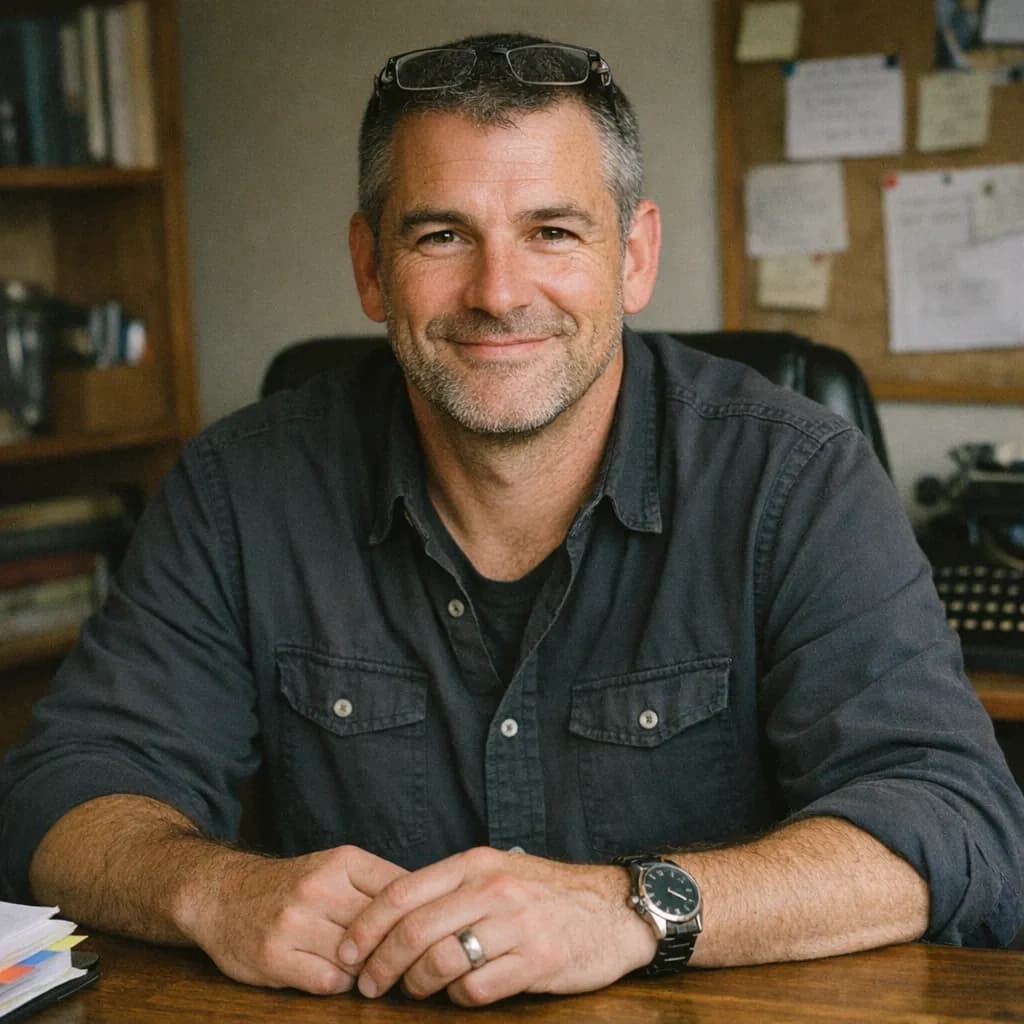
Callum Rhys Mahoney
Developmental Fiction Editor and Manuscript CoachI grew up between Wagga and my aunt’s place out near Narrandera, in a family that could argue for sport and then feed you like nothing happened. Books were around, but not in a precious way. My old man liked stories where people did what they said they’d do, even if it cost them. I still hear that voice when a character “can’t” make a decision because the plot needs another chapter. I didn’t set out to be an editor. I studied teaching, worked a few rough years in classrooms, and then left after a run of short contracts and one admin reshuffle that made it clear I was replaceable. A mate pulled me into doing learning materials and assessments because I could spot where people were gaming the question. That work taught me to watch for what the text rewards versus what it claims to reward - which is the same problem in a lot of manuscripts. I also spent a couple of seasons doing night shifts at a servo when money got tight. I kept a notebook behind the counter and wrote scenes between customers, mostly to stay awake. I remember one bloke coming in every Thursday, buying the same pie, and telling me the same story about a dog he swore was smarter than his ex. I don’t know why I remember that, but I do. Editing started as favour-work. People in town found out I’d read their drafts and I’d send back long emails with scene-by-scene notes. Somewhere along the line it became my paid work, mostly because I was consistent and because I’m not afraid to say, “This turn doesn’t belong to your protagonist.” I’m biased toward decisive characters and I don’t plan to cure myself of it; I’d rather a story risk an ugly choice than drift into polite inevitability.

Danae Marcelline Brooks
Developmental Fiction Editor & Manuscript CoachI grew up between church basements, tidewater heat, and people who could tell a whole family story while stirring a pot and never looking up. My mom kept paperback romances in a shoebox like they were contraband, and my aunt kept a shelf of mystery novels with cracked spines. I read both. I learned early that readers forgive a lot, but they don’t forgive being bored or being lied to. I didn’t come up dreaming about editing. I wanted steadier work than “writer,” and I was the kid who could take notes fast, so I ended up in admin jobs where I got volunteered into fixing other people’s documents. Outside of that, I spent a couple years doing hair out of a friend’s kitchen. That part of my life doesn’t explain my editing, but it’s true: I still remember the sound of a cape snapping and how people tell you the most pointed truths when they think you’re not allowed to answer back. Sometimes I miss that kind of honesty. A storm took out power for a week when I was in my late twenties, and I agreed to help a neighbor organize a stack of workshop pages because there wasn’t much else to do at night. The pages were a mess, but the voice was alive. I wrote margin notes the way I talk, not the way school taught me, and the neighbor asked for more. That turned into being the person people handed drafts to. I still carry this old belief that if you “work hard enough,” the story will behave. I don’t defend it, but I catch myself acting like it’s true when I see a writer piling scenes on top of scenes. Now I’m a developmental editor because I’m impatient with pretty sentences that protect a story from making decisions. My bias is I’ll side-eye passive main characters harder than most editors will, even when the genre gives them excuses. I don’t correct that. It’s the lens I read through, and writers who want a gentler read should pick someone else. If you want a first reader who will point at the exact scene where your book starts dodging consequences, I’m your person.
Frequently Asked Questions
- What makes One Day in the Life of Ivan Denisovich so compelling?
- People assume the book works because the setting shocks you. The deeper reason involves structure: Solzhenitsyn turns a single day into a chain of scarce resources, rigid rules, and constant trade-offs, so every small moment carries consequence. The reader never waits for “the plot” to begin because survival accounting already counts as plot. If you want the same pull in your work, track costs in concrete units—minutes, calories, warmth, status—and let choices, not speeches, reveal character.
- How long is One Day in the Life of Ivan Denisovich?
- Many assume a short novel must rely on a gimmick or a twist. This book stays relatively brief, but it earns weight through compression: Solzhenitsyn trims subplots and keeps the timeline tight, which forces density into every scene. The length also matches the concept—one day—so form supports meaning instead of decorating it. As a craft check, ask whether each page changes your protagonist’s measurable situation; if not, you wrote atmosphere instead of story.
- What themes are explored in One Day in the Life of Ivan Denisovich?
- A common assumption says the theme equals “totalitarianism is bad,” full stop. The book goes narrower and therefore hits harder: dignity under coercion, the ethics of small compromises, the economy of hunger, the quiet pride of craft, and how systems train people to police each other. Solzhenitsyn embeds theme in routine transactions—lines, rations, tools, favors—so the idea emerges from action. If you want thematic force, stop stating beliefs and start designing situations that force trade-offs.
- How does Solzhenitsyn build tension without big plot twists?
- Writers often believe tension requires a villain monologue or a sudden revelation. Solzhenitsyn builds tension through procedure: roll calls, searches, counts, deadlines, and arbitrary enforcement, all under lethal weather and hunger. That method works because the reader understands the rules and can foresee the penalties, which creates dread before anything “happens.” If your scenes feel flat, try replacing drama talk with a rule, a timer, and a cost—and then make your protagonist choose.
- Is One Day in the Life of Ivan Denisovich appropriate for students and new writers?
- Some assume it counts as “too bleak,” so it must only serve history or politics. New writers can learn more from it than from flashier books because it demonstrates control: clear stakes, disciplined point of view, and moral complexity without sermons. The content includes harsh prison conditions, dehumanization, and suffering, so teachers and readers should prepare for that directly. As a study approach, focus on how each scene changes Shukhov’s position rather than trying to extract a single message.
- How do writers write a book like One Day in the Life of Ivan Denisovich?
- A common misconception says you need an extreme setting to copy its power. You don’t; you need an extreme constraint system and a protagonist with a precise survival code. Limit the timeline, quantify the stakes, and design scenes as transactions where every gain creates a new vulnerability. Then write with restraint: let details do the arguing, and let the ending deliver a small, earned relief instead of a grand speech. If your draft feels thin, you probably skipped the math of consequences.
About Aleksandr Solzhenitsyn
Use procedural detail to force moral tension, so the reader feels complicit instead of merely informed.
Solzhenitsyn writes like a man carrying evidence. Not “themes.” Not vibes. Evidence. He builds moral force through concrete procedure: who did what, under what pressure, with what excuse, and what it cost. The page becomes a file folder you can’t stop reading because it keeps answering the question you didn’t want to ask: what would you do, exactly, if the state owned your oxygen?
His engine runs on contrasts that feel physical. He sets the lofty next to the base, the official next to the whispered, the ideological next to the hungry. Then he refuses to let you resolve the tension with a neat lesson. Instead, he makes you sit inside a compromised choice long enough to feel how rational it becomes. That’s the psychological trick: he doesn’t beg for your sympathy; he removes your exits.
Technically, his style looks “plain” until you try it. The difficulty sits in selection and arrangement. He can summarize years without losing the sting of a single minute, and he can linger on a minor action until it exposes an entire system. He controls scope like a camera operator with a conscience.
He also worked like a craftsman under constraint: draft, compress, re-order, and sharpen the factual spine so the emotional weight rides on structure, not decoration. Modern writers need him because he proves something unfashionable: clarity can carry enormous pressure, and moral complexity doesn’t require fog. He changed what “realism” could mean—less a mirror, more an indictment built from scenes.














Ready to improve your draft with direction?
Open Draftly, bring your draft, and move from stuck to a stronger draft without losing your voice. Editors are on standby when you want a deeper pass.
Free welcome credits included. No credit card needed.