The Sun Also Rises
Book Summary & Analysis
Book summary and writing analysis of The Sun Also Rises by Ernest Hemingway.
The Sun Also Rises works because it asks a brutal central dramatic question and refuses to answer it with speeches. Can Jake Barnes build a life worth living—love included—when his war wound makes “having” Brett Ashley impossible in the ordinary way? If you think this book succeeds because “nothing happens,” you miss the engine. Hemingway builds a pressure system where desire keeps colliding with physical limits, social codes, money, alcohol, and pride. Jake narrates like a man who tries to keep his face still while everything shakes.
The opposing force doesn’t wear a villain’s hat. It shows up as a compound enemy: Jake’s injury, Brett’s appetite for freedom, and the group’s code of masculine performance that turns pain into sport. Hemingway stages this in specific places—1920s Paris cafés, cheap hotels, train compartments, and then the sunlit ritual arena of Pamplona during the running of the bulls. Each location narrows the characters’ choices. Paris lets them drift. Spain forces them to decide in public.
The inciting incident doesn’t arrive as a gunshot. It arrives as a reunion. Early in Paris, Jake runs into Brett and they choose to keep orbiting each other anyway—drinks, late-night cab rides, the kind of conversation where both people say less than they mean because saying it would end the night. That decision hooks the story. Jake knows the situation cannot resolve cleanly, and he steps into it with open eyes. If you imitate Hemingway by copying the flat sentences but you skip this deliberate self-sabotage, you will write tasteful nothing.
From there, Hemingway escalates stakes by adding people who turn private longing into a social problem. Robert Cohn enters as the man who mistakes proximity for entitlement. Mike Campbell enters as the fiancé who jokes to avoid looking at what he knows. Bill Gorton enters as the friend who uses comedy as triage. None of them “cause” the wound, but each one presses it. Jake wants dignity. The group keeps demanding performance.
Notice how the structure shifts from aimless to inevitable. The Paris section gives you repetition—bars, talk, hangovers—not to stall, but to establish baseline avoidance. Then the trip to Spain changes the rules. In Burguete, the fishing interlude lets Jake imagine peace and masculinity without spectators. Hemingway gives you a glimpse of what the book could be if Jake chose quiet over Brett. That glimpse matters because it raises the cost of returning to the mess.
Pamplona turns the screws because it supplies a public stage and a sacred calendar. The fiesta’s rhythms—crowds, drinking, bullfights—mirror the group’s emotional rhythms: excitement, jealousy, shame, and aggression. Pedro Romero arrives not as a love rival in the usual sense but as a symbol of intactness and form. He embodies competence under pressure. Brett’s attraction to him doesn’t just threaten Jake emotionally; it threatens Jake’s carefully managed story about what love can look like after damage.
Hemingway keeps raising the price Jake pays for “being the good guy.” Jake brokers introductions, smooths conflicts, and keeps his voice level. Each act of competence also becomes complicity. He helps create the conditions that hurt him because he prefers controlled pain to helplessness. Many writers miss this and write Jake as merely stoic. Hemingway writes him as strategic. Jake chooses the role that lets him stay close to Brett.
The ending lands because Hemingway refuses the modern shortcut of catharsis-by-confession. The climax doesn’t fix love, fix masculinity, or punish the “bad” characters. It forces Jake into one last act of care and containment, then leaves him with a line that sounds romantic until you hear the grief inside it. If you try to imitate this book by being “minimal,” you will likely drain it of its hard-earned emotion. Hemingway earns the quiet ending by making every earlier scene a negotiation with the unsayable.
Story Structure & Narrative Arc
Story structure and emotional arc in The Sun Also Rises.
The emotional shape reads like a subversive Man-in-a-Hole that never offers a true ladder out. Jake starts with controlled numbness: he manages pain with routine, wit, and competence, and he mistakes steadiness for healing. He ends with sharper clarity about the fantasy he keeps feeding, which counts as growth, but it does not restore what he wants. The “rise” happens in insight, not in fortune.
Key sentiment shifts hit hard because Hemingway ties them to choices that look reasonable in the moment. Each time Jake chooses proximity over distance, the story gives him a brief high—connection, belonging, the illusion of normal life—then cashes the check with interest in Pamplona, where everyone watches. The low points land because they arrive after competence: Jake does everything “right” socially and still loses. The climax hurts because it looks like tenderness, and tenderness becomes another form of surrender.

Studying this book—and stuck on your pages?
Put your draft in Draftly. Fix scenes and dialogue in the text—not in another tab. When you want sharper feedback, AI editors are ready.
Free welcome credits included. No credit card needed.Writing Lessons from The Sun Also Rises
What writers can learn from Ernest Hemingway in The Sun Also Rises.
Hemingway builds power through omission, but he never builds emptiness. He uses the iceberg method in a practical way: he lets you see the coping mechanisms (drinking, joking, traveling, managing social messes) while he hides the raw statement of need. That forces you to do the work a real observer does in life. You infer motive from pattern, not confession. Many modern novels skip to the explanatory paragraph. Hemingway makes you earn the feeling, which makes it stick.
Study how he uses dialogue as controlled misdirection. Watch Jake and Brett talk in Paris—she calls him “pretty,” he plays along, and neither names the central problem outright. Or listen to Bill Gorton’s banter with Jake on the way to Spain: the jokes look like jokes, but they also test loyalty and try to patch a hole neither man wants to touch directly. Hemingway keeps the lines short and clean so subtext carries the weight. If you overwrite this kind of dialogue, you kill it. You must leave the reader space to hear what the characters refuse to say.
He also treats setting like an argument, not wallpaper. Paris offers cafés and night streets where you can postpone decisions indefinitely. Burguete offers rivers, meals, and morning light—a temporary moral reset where Jake can act steady without performing. Pamplona offers ritual, crowds, and a ring where form matters and mistakes get punished fast. Each place pressures a different part of Jake’s identity. A common shortcut today: writers describe vibe. Hemingway uses geography and public spaces to force behavior.
Finally, he controls narrative authority with a narrator who sounds reliable until you notice what he edits. Jake reports money, travel, drinks, and logistics with accountant clarity. He reports his own jealousy and longing in a tone that tries to minimize them. That gap becomes the book’s emotional voltage. You can copy the short sentences and still fail if you don’t copy the ethical tension: Jake wants to look decent, and decency becomes a mask. The reader feels the mask because the prose keeps it on so consistently.
How to Write Like Ernest Hemingway
Writing tips inspired by Ernest Hemingway's The Sun Also Rises.
Write the voice as a man (or woman) who refuses melodrama because melodrama would admit need. Keep sentences clean, but don’t chase bluntness as a style badge. Make each plain line carry a choice: what your narrator includes, what they skip, and what they reduce to “just facts.” If you can’t point to a painful thought your narrator dodges in every scene, you don’t have restraint. You have thinness. Let humor function as anesthesia, not decoration.
Build characters by giving them a personal code and then testing it in public. Jake’s code values steadiness, loyalty, and competence; Brett’s code values freedom and intensity; Cohn’s code mistakes romance for ownership; Mike’s code uses mockery to hide fear. None of these codes read as villainy on page one. They become destructive when they collide. If you want Hemingway-level charge, track what each character protects at all costs, then force them to pay that cost on the page.
Avoid the classic “lost generation” trap: writing aimless misery and calling it depth. Hemingway avoids that by making the social dynamics razor-specific. Every drink and joke serves a function in the status game, and every kindness carries a hook. Also avoid romanticizing pain. The wound in this book shapes logistics, sex, pride, and daily decisions. It doesn’t sit in the background like a symbolic tattoo. If your damage never changes a scene’s outcome, you wrote a theme, not a story.
Try this exercise. Write a 1,500-word scene in a crowded public place where your protagonist must help two other people connect, even though that connection will hurt them. Give the protagonist a practical task to manage minute-by-minute, like arranging tickets, introductions, or logistics. Write the dialogue so nobody states the real problem. Then revise by cutting every sentence that explains emotion, and replace it with one concrete action, one sensory detail, or one evasive joke. Your goal: make the reader feel the knife without seeing it.
Who Would Edit This Book?
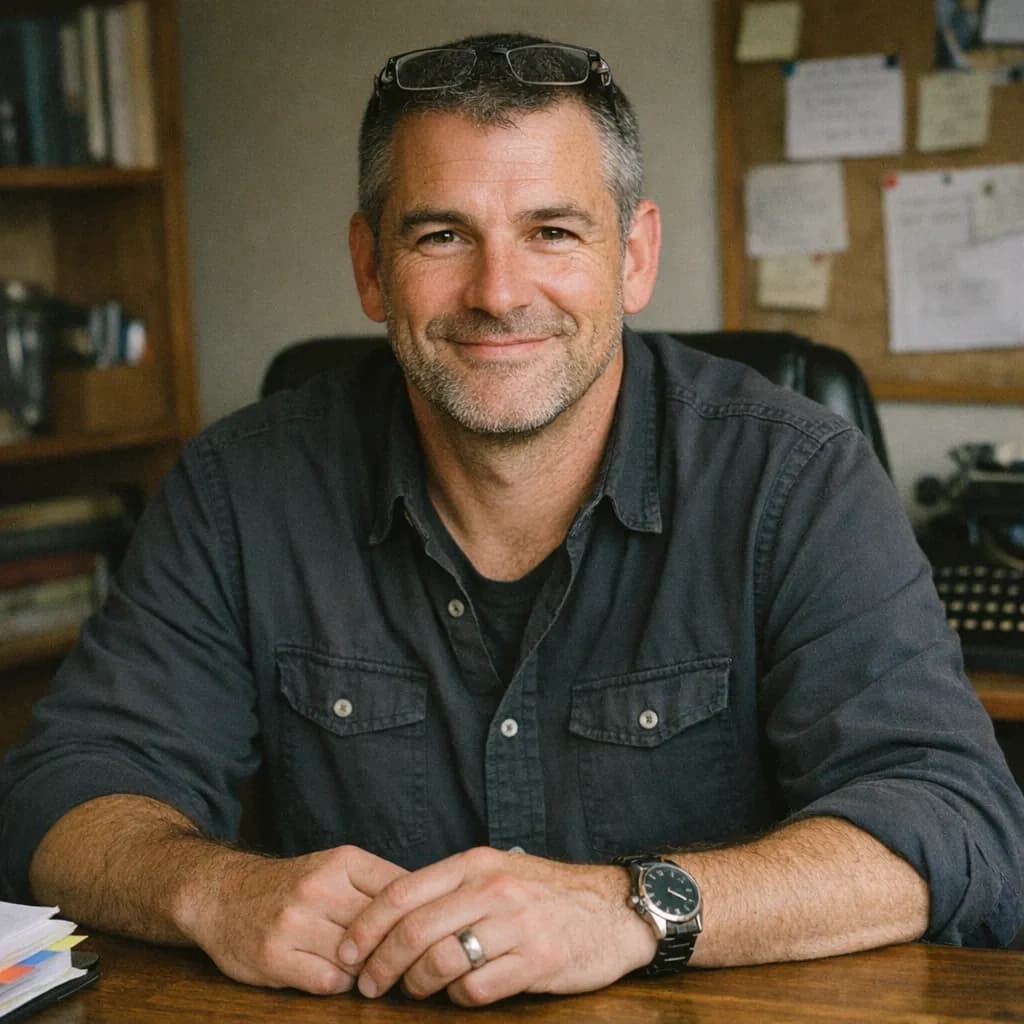
Callum Rhys Mahoney
Developmental Fiction Editor and Manuscript CoachI grew up between Wagga and my aunt’s place out near Narrandera, in a family that could argue for sport and then feed you like nothing happened. Books were around, but not in a precious way. My old man liked stories where people did what they said they’d do, even if it cost them. I still hear that voice when a character “can’t” make a decision because the plot needs another chapter. I didn’t set out to be an editor. I studied teaching, worked a few rough years in classrooms, and then left after a run of short contracts and one admin reshuffle that made it clear I was replaceable. A mate pulled me into doing learning materials and assessments because I could spot where people were gaming the question. That work taught me to watch for what the text rewards versus what it claims to reward - which is the same problem in a lot of manuscripts. I also spent a couple of seasons doing night shifts at a servo when money got tight. I kept a notebook behind the counter and wrote scenes between customers, mostly to stay awake. I remember one bloke coming in every Thursday, buying the same pie, and telling me the same story about a dog he swore was smarter than his ex. I don’t know why I remember that, but I do. Editing started as favour-work. People in town found out I’d read their drafts and I’d send back long emails with scene-by-scene notes. Somewhere along the line it became my paid work, mostly because I was consistent and because I’m not afraid to say, “This turn doesn’t belong to your protagonist.” I’m biased toward decisive characters and I don’t plan to cure myself of it; I’d rather a story risk an ugly choice than drift into polite inevitability.

Danae Marcelline Brooks
Developmental Fiction Editor & Manuscript CoachI grew up between church basements, tidewater heat, and people who could tell a whole family story while stirring a pot and never looking up. My mom kept paperback romances in a shoebox like they were contraband, and my aunt kept a shelf of mystery novels with cracked spines. I read both. I learned early that readers forgive a lot, but they don’t forgive being bored or being lied to. I didn’t come up dreaming about editing. I wanted steadier work than “writer,” and I was the kid who could take notes fast, so I ended up in admin jobs where I got volunteered into fixing other people’s documents. Outside of that, I spent a couple years doing hair out of a friend’s kitchen. That part of my life doesn’t explain my editing, but it’s true: I still remember the sound of a cape snapping and how people tell you the most pointed truths when they think you’re not allowed to answer back. Sometimes I miss that kind of honesty. A storm took out power for a week when I was in my late twenties, and I agreed to help a neighbor organize a stack of workshop pages because there wasn’t much else to do at night. The pages were a mess, but the voice was alive. I wrote margin notes the way I talk, not the way school taught me, and the neighbor asked for more. That turned into being the person people handed drafts to. I still carry this old belief that if you “work hard enough,” the story will behave. I don’t defend it, but I catch myself acting like it’s true when I see a writer piling scenes on top of scenes. Now I’m a developmental editor because I’m impatient with pretty sentences that protect a story from making decisions. My bias is I’ll side-eye passive main characters harder than most editors will, even when the genre gives them excuses. I don’t correct that. It’s the lens I read through, and writers who want a gentler read should pick someone else. If you want a first reader who will point at the exact scene where your book starts dodging consequences, I’m your person.
Frequently Asked Questions
- What makes The Sun Also Rises so compelling?
- People assume the book works because Hemingway writes “simple” sentences and the characters drink a lot. The real pull comes from a relentless emotional problem that the characters refuse to name, which turns every social moment into a negotiation. Jake wants love and dignity, Brett wants freedom and intensity, and the group forces both into public tests of pride. If you want the same compulsion in your work, design scenes where the goal stays clear but the characters cannot say it out loud without losing something.
- What themes are explored in The Sun Also Rises?
- A common assumption says the themes stop at disillusionment after war. Hemingway goes narrower and more practical: he explores how people build codes to survive damage, how desire turns social, and how performance replaces intimacy. He also examines ritual and competence through bullfighting, not as exotic color but as a mirror for masculine identity and control. When you write theme, let it emerge from repeated choices under pressure; don’t staple a message onto the ending and call it insight.
- How do I write a book like The Sun Also Rises?
- Writers often think they should copy the sparse style and the “cool” detachment. Start instead with the engine: an unsolved emotional problem that poisons every attempt at normal life, plus a setting that forces that problem into public view. Build a narrator who edits themselves, and make every scene do double duty—surface action and hidden negotiation. Then revise for omission without removing consequence. If your cuts reduce clarity about what characters want, you cut the wrong things.
- How long is The Sun Also Rises?
- Many readers assume “classic” novels run huge, but this one stays relatively lean, often around 250 pages depending on edition and formatting. That length matters as a craft lesson: Hemingway compresses with scene selection, not with rushed pacing. He repeats social patterns just enough to establish a baseline, then shifts locations to change the pressure. If you plan a short novel, don’t just write fewer scenes; write scenes that carry multiple loads—character, conflict, and escalation.
- Is The Sun Also Rises appropriate for all audiences?
- Some people assume a canonical novel equals universally suitable content. The book includes heavy drinking, sexual relationships, and a blunt portrayal of jealousy and cruelty inside a friend group, plus period attitudes that can jar modern readers. As a craft study, that frankness helps because Hemingway shows how adults harm each other without melodramatic villainy. If you recommend it or emulate it, clarify your intended reader and handle taboo material with consequence, not shock value.
- What can writers learn from Hemingway’s dialogue in The Sun Also Rises?
- A common rule says good dialogue “sounds real,” so writers add filler and explain feelings. Hemingway does the opposite: he uses brevity, repetition, and jokes to conceal the real argument while still advancing it. When Jake and Brett talk, the tenderness sits inside the evasions, which creates tension without speeches. Try reading a dialogue scene and underlining what each character refuses to answer directly. If you can’t find that avoidance, your dialogue may read clear but feel dead.
About Ernest Hemingway
Use omission plus concrete sensory detail to make the reader supply the emotion—and feel it harder.
Ernest Hemingway didn’t “write simply.” He built pressure with omission. His sentences look easy because they remove the usual safety rails: explanation, judgment, emotional labeling, and tidy moral summaries. You still feel the emotion, but you feel it as your own conclusion. That’s the trick. He makes the reader do the last, most intimate step of meaning-making—and readers trust what they help create.
His engine runs on clean actions, concrete objects, and dialogue that refuses to confess. He frames scenes as physical problems: hunger, fatigue, shame, desire, fear. Then he lets those forces collide in plain language. The psychological effect comes from what he refuses to say. You sense a larger story under the surface, and your mind keeps trying to complete it. That itch keeps you reading.
The technical difficulty isn’t short sentences. It’s control. If you cut explanation without building subtext, you get thin, undercooked prose. If you strip emotion words without staging emotional evidence, you get blank characters. Hemingway can leave things out because he loads the scene with precise cues—timing, repetition, objects, and small behavioral tells that carry emotional weight.
Modern writers still need him because he changed what “serious” prose could sound like: direct, unsentimental, and still devastating. He drafted with forward motion and revised with ruthless subtraction. He didn’t remove meaning; he relocated it into structure, choice of detail, and what the characters refuse to name.














Ready to improve your draft with direction?
Open Draftly, bring your draft, and move from stuck to a stronger draft without losing your voice. Editors are on standby when you want a deeper pass.
Free welcome credits included. No credit card needed.