The Miracle of Mindfulness
Book Summary & Analysis
Book summary and writing analysis of The Miracle of Mindfulness by Thich Nhat Hanh.
If you imitate The Miracle of Mindfulness naively, you will copy the “nice” tone and miss the hard engineering. Thich Nhat Hanh doesn’t win by sounding serene. He wins by staging a continuous micro-drama: can a busy, distracted person keep their mind where their body is long enough to live on purpose?
The central dramatic question reads like a dare: will you practice mindfulness in ordinary life, not just admire it as an idea? The “protagonist” functions as a composite you—often embodied by his correspondent (a friend and fellow practitioner he addresses in letters) and by the reader who keeps slipping back into automatic living. The primary opposing force doesn’t wear a villain’s cape. It shows up as haste, obligation, and the seductive comfort of daydreaming while you work.
The inciting incident doesn’t arrive as a car crash or a betrayal. It arrives as a letter. Early on, Thich Nhat Hanh chooses to respond to a friend asking how to practice amid daily duties, and that decision sets the book’s engine: he must translate a contemplative discipline into repeatable actions. Notice the craft move here. He doesn’t open with theory. He opens with a relationship, a need, and a promise to be useful.
He escalates stakes by tightening the definition of “success.” At first, mindfulness sounds like a pleasant add-on: breathe, notice, relax. Then he pushes you into harder terrain: wash dishes to wash dishes, eat to eat, face suffering without turning it into a concept. Each chapter raises the cost of half-belief. You either bring attention into the mess of your life, or you keep outsourcing your days to distraction and calling it normal.
Structurally, the book works like a set of nested demonstrations. He introduces a practice, he gives you a concrete scene (washing dishes, drinking tea, walking), he names the mental failure mode you will hit (“I’m washing dishes to finish them”), and he offers a corrective you can test within minutes. That rhythm creates its own suspense. You turn the page not to find out “what happens,” but to find out where your mind will betray you next—and how to catch it.
The setting anchors the moral pressure. Thich Nhat Hanh writes from the context of Vietnamese Buddhist practice and wartime exile-era urgency, and he filters it through everyday rooms: kitchens, paths, a simple place to sit and breathe. That blend matters. He refuses to let mindfulness live only in monasteries or only in slogans. He makes it live in the kind of life you already have.
The “climax” doesn’t resolve a plot; it resolves a resistance. As he moves into interbeing, compassion, and the way attention changes your relation to suffering, he turns mindfulness from self-improvement into ethical presence. He raises the real stake: if you can’t stay present, you can’t love cleanly, you can’t help cleanly, and you can’t even know what you do.
Here’s the warning for writers: don’t mistake calm instruction for low stakes. The Miracle of Mindfulness stays compelling because every page threatens your identity as a competent adult. It keeps asking, in different clothes, “Are you actually here?” If you write “gentle wisdom” without that pressure, you will produce a soothing pamphlet, not a book people reread.
Story Structure & Narrative Arc
Story structure and emotional arc in The Miracle of Mindfulness.
The emotional trajectory fits a subversive “Man in Hole” where the hole looks like normal life. The protagonist starts scattered, well-meaning, and secretly convinced that real life begins after the chores. The protagonist ends trained, steadier, and able to treat the present moment as the whole stage, not the waiting room.
Key sentiment shifts land because Thich Nhat Hanh keeps turning up the honesty. Early practices feel comforting, almost cozy. Then he forces the reader to notice how often they flee the moment, and that recognition stings. The low points come when he names the reader’s self-deception with surgical kindness. The high points arrive when a simple act—breath, a step, a cup of tea—suddenly carries dignity and freedom.

Studying this book—and stuck on your pages?
Put your draft in Draftly. Fix scenes and dialogue in the text—not in another tab. When you want sharper feedback, AI editors are ready.
Free welcome credits included. No credit card needed.Writing Lessons from The Miracle of Mindfulness
What writers can learn from Thich Nhat Hanh in The Miracle of Mindfulness.
Thich Nhat Hanh builds authority the way a great scene builds trust: he shows you what to do, then he shows you what goes wrong when you do it. That’s not “inspiring.” That’s diagnostic writing. He uses second-person address as a scalpel, not a hug. Each instruction carries an implied objection he anticipates and answers, which keeps the prose from floating off into poster-talk.
He also understands pacing. He alternates short, clear imperatives with reflective expansions, like a coach who makes you run the drill and then tells you what the drill changes. This creates a page-level rhythm of effort and release. Modern books in this space often stack claims (“mindfulness reduces stress”) and call it substance. He stacks experiences: breathe, notice, fail, return.
Watch how he uses concrete objects to prevent abstraction. A sink full of dishes, a teacup, a path under your feet—these props work like stage business in theater. They give the reader something to do with their hands while their mind learns a new stance. The world-building feels “quiet,” but it stays physical, which keeps the teaching believable.
Even the “dialogue” functions as craft. The book begins as a response to a friend’s request, and that relationship creates a living back-and-forth: question, answer, anticipated pushback, correction. When he addresses his correspondent directly, he doesn’t perform wisdom; he continues a conversation with stakes. Compare that to the modern shortcut of writing to an imaginary mass audience. You lose friction, and without friction you lose heat.
How to Write Like Thich Nhat Hanh
Writing tips inspired by Thich Nhat Hanh's The Miracle of Mindfulness.
Write with kind certainty, not misty reverence. You want a voice that sounds like someone who has done the reps and won’t romanticize the work. Use short sentences when you give an instruction, then slow down only long enough to name the reader’s likely failure mode. Don’t decorate. Don’t generalize. If you can’t tie your sentence to a bodily action or a visible moment, you probably wrote an idea, not a line that can change someone.
Treat “the reader” as a character who evolves under pressure. Give them an opening flaw you can observe, not diagnose. In this book, the flaw looks like constant elsewhere-ness: the mind runs ahead, rewrites the past, negotiates the future. Build development by raising the difficulty of the situations where the same flaw appears. A mindful breath during peace means little. A mindful breath during irritation, hurry, or grief shows change you can measure.
Avoid the genre trap of swapping plot for platitudes. Many spiritual and self-help books try to sound profound, so they inflate language and deflate consequence. Thich Nhat Hanh does the opposite. He picks a tiny moment and makes it consequential by showing how you betray it. If you write “be present” without staging the exact seduction of distraction, you will bore serious readers and comfort casual skimmers. Aim for the serious readers.
Run this exercise for five days. Pick one ordinary task you repeat, like making tea or taking a shower. Write a 700–1,000 word letter to a specific person who asked for help, and keep the letter anchored in that task as your recurring scene. Each day, rewrite the letter by adding one new obstacle that makes presence harder, then add one corrective instruction that someone can test in under sixty seconds. End by naming the lie the obstacle tells.
Who Would Edit This Book?
Alistair Rowan McEwan
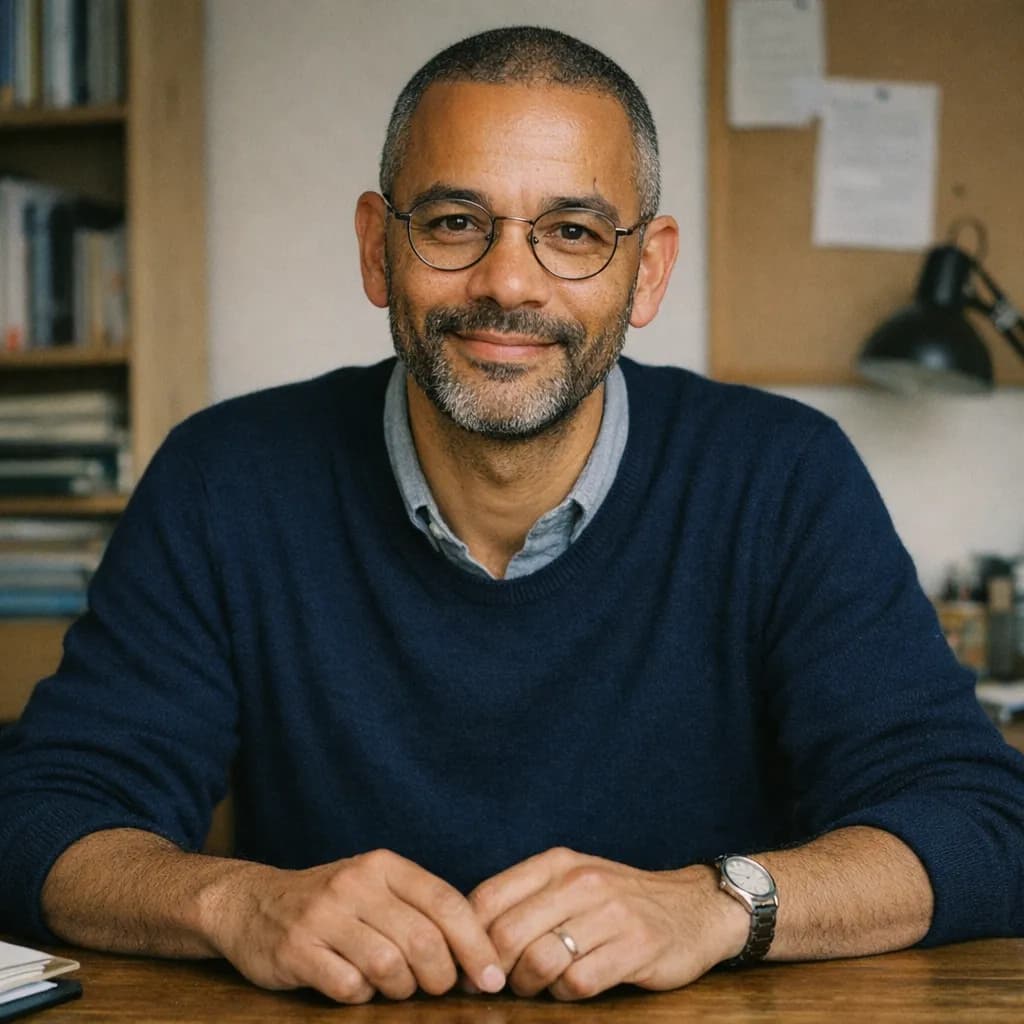
Developmental Editor and Non-Fiction Manuscript CoachI grew up between Leeds and Glasgow, in that half-and-half way where you’re never fully from one place, so you learn to listen for what people mean instead of what they say. My mum kept old paperbacks and my dad kept newspapers, and I read both with the same suspicion. I still hear my gran’s voice when I write notes: she’d tap the page and say, “Aye, but what made that happen?” At nineteen I worked nights stacking shelves and days in a dull admin job for a small training provider, mostly because rent doesn’t care about your plans. They had me tidying course handouts and “improving the flow,” which meant cutting waffle and moving sections around until the trainer could teach without apologising. Around that time I got obsessed with making the perfect chilli recipe and kept a notebook of tiny tweaks. It didn’t make me a better editor, but I still do it, and I still overreact when a list of ingredients comes before the method. I didn’t set out to be an editor. A friend needed a second pair of eyes on a grant application, then another person asked, then a whole department started sliding documents onto my desk because I’d tell them the truth without making it personal. Later, I ended up in a communications role after a reorg - pure convenience - and I started doing beta-style reads for people writing practical books and narrative non-fiction on the side. Now I work with authors who want a manuscript that can survive a hard reader. I’m calm about most things, but I’m stubborn about causality: if a chapter claims a result, I want to see the choice that led there, and what it cost. I know my bias: I don’t spend long admiring lyrical voice if the argument is dodging responsibility. I’m the person you hand the draft to when you want the first reader who says, “This part doesn’t earn its conclusion,” and then shows you where it went off the rails.

Arjunveer “Arj” Sandhu
Nonfiction Manuscript Editor & Writing Coach (Generalist)I grew up between Punjabi at home and English everywhere else, which taught me early that “I understood it” and “it was said clearly” aren’t the same thing. My dad ran a small trucking outfit and kept every receipt like it was scripture. My mom read Punjabi poetry and refused to explain it. I landed in the middle: I like meaning you can point to, and I don’t trust pretty fog. I didn’t plan on editing. I studied business because it was easy to explain at family dinners, then worked jobs where nobody had time for long sentences - operations, training docs, policy rewrites. I took a night improv course once because a friend wouldn’t go alone. I was bad at it. I still keep the ticket stub like it proves something. I started giving notes because people kept sending drafts with “can you make this make sense?” and I didn’t know how to say no. A supervisor once handed me a 40-page internal guide and said, “Fix it by Friday or we get audited.” That deadline became a habit: I read fast, I mark the real breaks, and I don’t pretend confusion is a personality trait. I’m harsher on fuzzy claims than clunky style, and I’m not interested in correcting that. Now I work with authors who want a first reader who won’t protect feelings at the expense of the book. I still ask, “What are you promising me in the first ten pages?” I don’t care if your voice is charming if your logic cheats. If your structure is designed to wander on purpose, I’m probably not your best match.
Frequently Asked Questions
- What makes The Miracle of Mindfulness so compelling for writers?
- Many people assume the book works because it sounds peaceful. It actually works because it creates pressure without plot: every page tests whether you can stay present during a real, ordinary action. Thich Nhat Hanh builds credibility through demonstrations, not declarations, and he escalates stakes by moving from easy calm to difficult emotions and ethical responsibility. If you study it as craft, you’ll see a blueprint for making instructional writing feel like a narrative that keeps turning pages.
- How long is The Miracle of Mindfulness?
- A common assumption says length equals depth, especially in spiritual nonfiction. This book stays relatively short (often around 100–150 pages depending on edition and formatting), but it concentrates its effect through tight, repeatable practice loops and scene-based examples. For writers, that’s the lesson: you don’t need bulk to create weight; you need a structure that forces the reader to apply, fail, and return. Measure your own work by reread value, not page count.
- What themes are explored in The Miracle of Mindfulness?
- People often reduce the theme to “relaxation,” which sells the book short. Thich Nhat Hanh explores attention as a form of freedom, the ethics of presence, compassion as a practice rather than a sentiment, and the way ordinary actions become the training ground for a meaningful life. He also threads suffering through the teaching without melodrama, which keeps the work honest. As a writer, track how he turns themes into repeated situations instead of speeches.
- Is The Miracle of Mindfulness appropriate for beginners in meditation and mindfulness?
- Many assume beginners need only gentle encouragement and simple steps. The book does give simple steps, but it also demands sincerity: it asks you to practice in kitchens, on walks, and inside irritation, not just in quiet sessions. That makes it beginner-friendly in method but rigorous in expectation. If you write for beginners, take note of this balance: lower the barrier to entry, then raise the standard for what “counts” as real practice.
- How does Thich Nhat Hanh structure The Miracle of Mindfulness?
- A common rule says nonfiction should present principles first, then examples. Thich Nhat Hanh often reverses that: he starts with an address to a real person, introduces a practice, and then uses concrete, repeatable scenes to test the practice under everyday conditions. The structure behaves like a ladder of difficulty, where each rung removes an excuse. If your own book feels flat, you probably listed ideas instead of staging progressive trials for the reader.
- How do I write a book like The Miracle of Mindfulness without sounding preachy?
- Most writers try to avoid preachiness by adding disclaimers, softening claims, or hiding behind vagueness. Thich Nhat Hanh avoids preachiness by staying specific, practical, and relational: he writes as if answering someone who genuinely asked, and he focuses on actions the reader can verify immediately. He also names the reader’s resistance plainly, which feels respectful rather than superior. Draft your advice as testable instructions, then cut any line the reader can’t prove in their own body.
About Thich Nhat Hanh
Use simple sensory instructions (one breath, one step, one cup) to make the reader feel meaning instead of merely agreeing with it.
Thich Nhat Hanh writes like someone clearing a fogged window with the sleeve of his robe: a few simple strokes, and suddenly you can see. His engine runs on concrete attention. He keeps you in the room with your breath, your feet, your mug of tea, your next step. That sounds easy until you try it and discover how quickly “presence” turns into vague comfort talk when you don’t control your nouns and verbs.
He builds meaning through small instructions that double as sentences. Each line does two jobs: it tells you what to notice, and it quietly exposes the habit that keeps you from noticing it. He avoids argument by staging proof in the reader’s body. Instead of “here’s my point,” you get “try this, now watch what happens.” That move lowers defensiveness and raises trust because the reader becomes the experiment.
The technical difficulty hides in the plainness. He writes clean sentences that carry a moral and emotional load without sounding moralistic. He controls rhythm with short units, gentle repetition, and carefully placed questions. He uses “we” as a craft tool, not a mood: it creates company, then assigns responsibility without accusation.
Modern writers need him because attention has become scarce and sincerity has become suspect. He shows how to write humane guidance without preaching, and how to make a page feel like a practice, not a performance. His approach suggests a drafting discipline: return to the same core image, revise toward fewer claims, and keep only the lines a reader can test in lived experience.














Ready to improve your draft with direction?
Open Draftly, bring your draft, and move from stuck to a stronger draft without losing your voice. Editors are on standby when you want a deeper pass.
Free welcome credits included. No credit card needed.