Cargando
Estamos preparando las cosas. Esto no llevará mucho tiempo.
Estamos preparando las cosas. Esto no llevará mucho tiempo.
Write battle scenes that feel true, not loud, by mastering Keegan’s core mechanism: micro-causality under fear, friction, and broken information.
Resumen del libro y análisis escrito de The Face of Battle por John Keegan.
You expect a military history book to explain plans, generals, and outcomes. Keegan refuses that comfort. He asks a harder dramatic question: what does it feel like, moment by moment, for ordinary men to keep moving when their senses lie, their leaders guess, and their bodies want to stop? Your “protagonist” here sits in a strange place: not Wellington or Napoleon, but the fighting man as a recurrent character type. The opposing force never takes one face either. It shows up as confusion, terrain, exhaustion, noise, and the human limits that turn strategy into improvisation.
The inciting incident arrives early and sharp when Keegan states his method and makes his wager: he will rebuild combat at the level where muskets misfire, smoke blinds, and orders arrive late or not at all. That choice sounds like a premise, but it acts like a narrative decision. It forces every later scene to answer the same question under pressure: when you strip away map-room clarity, what actually causes a line to advance, halt, or break? If you try to imitate this book naively, you’ll copy the “gritty detail” and miss the engine. The engine lives in selection and sequencing. Keegan chooses details that trigger consequences.
He sets his laboratory with concrete specificity. Agincourt, 1415, a narrow muddy field in northern France where English archers and men-at-arms wait while French nobles commit to a frontal crush. Waterloo, 1815, in Belgium, where ridge lines, farm complexes like Hougoumont and La Haye Sainte, and soaked ground shape what units can even see and do. The Somme, 1916, on the chalk of Picardy, where industrial firepower and the geometry of trenches turn movement into math. He treats each place as a machine that produces certain kinds of fear and certain kinds of error.
Stakes escalate not through “will they win” (you already know), but through narrowing human options. At Agincourt, the problem looks like press and panic: bodies pack, footing fails, armor drags men down, and the crowd becomes a weapon. At Waterloo, command becomes a fragile chain where timing and visibility decide whether courage turns useful or wasteful. At the Somme, the scale of killing forces a moral and cognitive break: men must walk into a zone where survival feels statistically absurd. Each battle raises the cost of misunderstanding, and each step in technology removes one more illusion about heroic control.
Keegan builds structure by alternating zoom levels. He gives you just enough “plan” to feel the intended shape, then he fractures it with what soldiers actually perceive. He returns to recurring constraints—noise, smoke, distance, fatigue, the misreading of signals—and shows how they mutate across centuries. That repetition creates a spine. You start to anticipate the next failure point the way you anticipate the next twist in a thriller.
Descubra editores que se especializan en libros como este y les encantaría trabajar en proyectos similares.
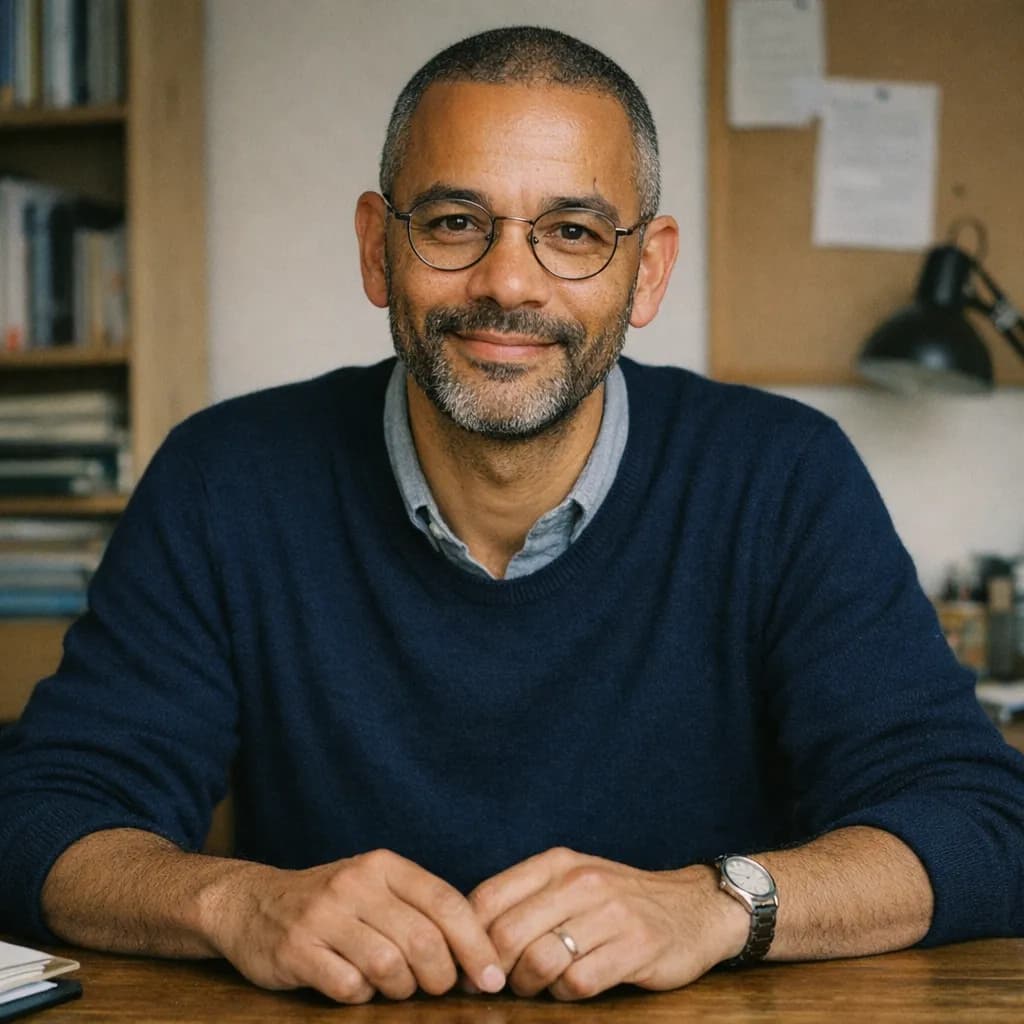
I grew up between Leeds and Glasgow, in that half-and-half way where you’re never fully from one place, so you learn to listen for what people mean instead of what they say. My mum kept old paperbacks and my dad kept newspapers, and I read both with the same suspicion. I still hear my gran’s voice when I write notes: she’d tap the page and say, “Aye, but what made that happen?” At nineteen I worked nights stacking shelves and days in a dull admin job for a small training provider, mostly because rent doesn’t care about your plans. They had me tidying course handouts and “improving the flow,” which meant cutting waffle and moving sections around until the trainer could teach without apologising. Around that time I got obsessed with making the perfect chilli recipe and kept a notebook of tiny tweaks. It didn’t make me a better editor, but I still do it, and I still overreact when a list of ingredients comes before the method. I didn’t set out to be an editor. A friend needed a second pair of eyes on a grant application, then another person asked, then a whole department started sliding documents onto my desk because I’d tell them the truth without making it personal. Later, I ended up in a communications role after a reorg - pure convenience - and I started doing beta-style reads for people writing practical books and narrative non-fiction on the side. Now I work with authors who want a manuscript that can survive a hard reader. I’m calm about most things, but I’m stubborn about causality: if a chapter claims a result, I want to see the choice that led there, and what it cost. I know my bias: I don’t spend long admiring lyrical voice if the argument is dodging responsibility. I’m the person you hand the draft to when you want the first reader who says, “This part doesn’t earn its conclusion,” and then shows you where it went off the rails.
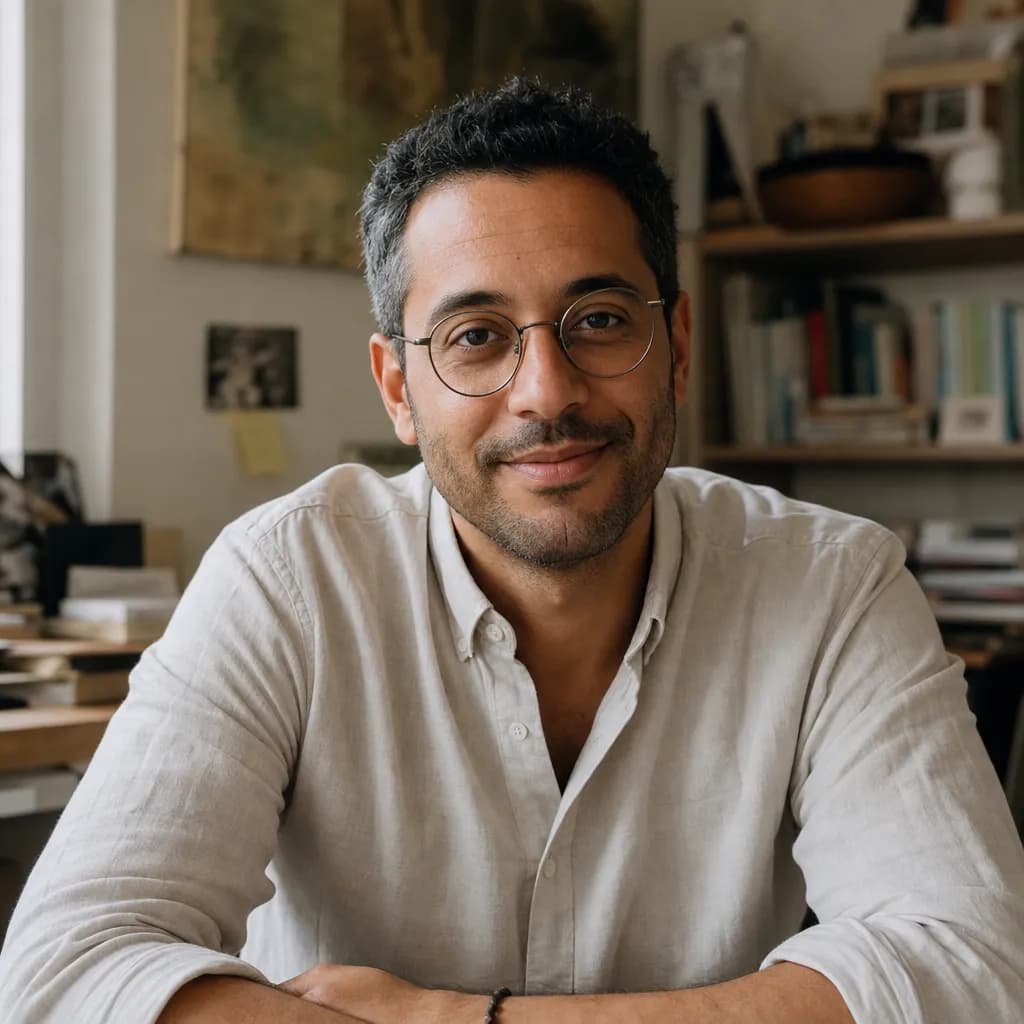
Cresci entre Setúbal e a casa da minha avó em Santiago, em Cabo Verde, embora tenha passado mais tempo a ouvir histórias da ilha do que a vivê-las. A minha mãe trabalhava numa repartição e o meu pai conduzia autocarros. Em casa havia jornais dobrados na mesa da cozinha, recibos dentro de livros e gente a corrigir factos uns aos outros com uma calma que às vezes era carinho e às vezes era guerra. Ainda me lembro do meu avô dizer que um livro sem datas era conversa de café. Não concordo com isso. Mas quando leio uma memória sem chão temporal, a minha mão vai sozinha à margem. Não fui parar à edição por plano. Estudei Comunicação em Portalegre porque era o curso que dava para pagar com bolsa e quarto partilhado. Fiz rádio local, transcrevi entrevistas para uma produtora e passei um Verão inteiro num armazém de cortiça a separar placas por espessura. Esse Verão não me tornou melhor editor, acho eu. Mas ainda hoje reparo no som seco das coisas quando batem na mesa, e às vezes isso entra no modo como leio uma cena. Também trabalhei numa pastelaria em Évora onde aprendi a não acreditar em pessoas que dizem “é rápido” sem explicar o processo. A primeira passagem séria para manuscritos aconteceu porque uma revista onde eu fazia fact-checking perdeu financiamento e uma editora pequena precisava de alguém barato para ler propostas de memórias e ensaios narrativos. Eu aceitei por conveniência. Lia no comboio, com folhas impressas no colo, e comecei a perceber que muitos textos não falhavam por falta de estilo. Falhavam porque o narrador queria ser compreendido antes de mostrar a escolha que tinha feito. Isso ficou comigo. Talvez demais. Hoje trabalho sobretudo com Non fiction, memórias e ensaio narrativo. Sou bom a desmontar causalidade, promessa, estrutura e responsabilidade do narrador. Também sei que tenho uma limitação: tenho pouca paciência para manuscritos muito associativos que recusam hierarquia até ao fim. Posso lê-los. Posso respeitá-los. Mas vou sempre procurar uma coluna vertebral, e não finjo o contrário. Prefiro avisar cedo do que fingir neutralidade.
Preguntas comunes sobre cómo escribir un libro como The Face of Battle.
Use physical constraints (terrain, range, fatigue) to force decisions on the page—and you’ll make readers feel history instead of just reading it.
John Keegan didn’t write war as a sequence of clever maneuvers. He wrote it as a human system under pressure: bodies, weather, distance, fatigue, mishearing, fear, and doctrine colliding at speed. The engine of his craft is simple and brutal: he keeps asking what it felt like to be there, and then he proves his answer with concrete constraints. You don’t get to “understand the battle” until you understand the limit of a man’s lungs, the drag of mud, and the blindness of smoke.
Keegan controls your psychology by refusing the easy authority of hindsight. He doesn’t announce meaning first and then decorate it with facts. He lays down conditions—terrain, training, command structure, weapon range, supply—until your mind starts predicting outcomes on its own. Then he shows you where prediction fails: where friction, chance, and miscommunication tear plans apart. You feel smart, then suddenly you feel the cost of being wrong.
The technical difficulty sits in his balance. He compresses massive events without flattening them into summary, and he keeps moral weight without preaching. He handles sources like a stage manager: he positions viewpoints, marks their blind spots, and uses disagreement as structure. If you imitate the surface—formal sentences, military terms—you’ll sound “historical” but you won’t produce comprehension.
Modern writers need him because he models how to earn trust while dealing with complexity. He shows how to move between the wide lens (systems) and the close lens (sensory limits) without losing the reader. His drafting instinct reads like an editor’s: build the frame first, then insert the human perception that makes the frame matter, then revise for causal clarity so every paragraph answers, “So what could they actually do next?”
Abre Draftly, traiga tu borrador y pase de un borrador estancado a uno más fuerte sin perder la voz. Los editores están en espera cuando quieres un pase más profundo.
🤑 Créditos de bienvenida gratuitos incluidos. No se necesita tarjeta de crédito.He also engineers a quiet antagonism between official narrative and lived reality. Dispatches, doctrine, and patriotic myth want clean arcs and clean causes. Keegan keeps dragging you back to the granular: men bunch because a gate bottlenecks; men fire high because recoil and fear lift barrels; runners vanish; officers fall; units drift. He treats “friction” not as a theme but as a plot device that interrupts intentions.
If you imitate him poorly, you’ll overload your reader with facts and call it authenticity. Keegan earns authority by refusing omniscience. He admits what evidence can’t show, then he compensates with bounded inference: what a man could plausibly see from a ridge, hear through cannon, understand while choking on smoke. That honesty makes the book feel more real than a confident but careless account.
In the end, the “protagonist” changes state. The fighting man begins as a figure we think we understand through legend and cinema. He ends as a complex system under stress—brave, selfish, obedient, inventive, terrified—whose actions make history but rarely resemble the stories history tells. Keegan’s final move matters to you as a writer: he teaches you to build drama out of constraints, not speeches.
Estructura de la historia y arco emocional en The Face of Battle.
The emotional trajectory runs as a subversive “Man in Hole” for the reader, not for a single hero. You start with the usual high ground: you think you understand battle through outcomes, leaders, and tidy explanations. Keegan drags you down into sensory limits and bad information, then he brings you back up with a harsher, cleaner understanding of what actually drives action under fire.
Key sentiment shifts land when Keegan swaps a familiar abstraction for a physical constraint. Each battle begins with a thin layer of order, then collapses into local problems—space, mud, smoke, timing, industrial fire—that no speech can fix. The low points hit hardest at the Somme because the mechanism turns from “men fail” to “systems grind,” and the climactic lift comes from the reader’s earned clarity: you can finally see why myth persists even when reality contradicts it.
Lo que los escritores pueden aprender de John Keegan en The Face of Battle.
Keegan’s main device looks simple and it isn’t: he swaps the god’s-eye view for bounded viewpoint without turning the book into memoir. He keeps the historian’s distance but limits his claims to what a man in a rank could plausibly perceive. That constraint does two jobs at once. It builds trust, and it manufactures suspense even when you know the ending. You don’t wonder who wins; you wonder what makes bodies keep moving when the world shrinks to smoke, noise, and the next few yards.
He structures each battle as a chain of physical causes instead of a chain of intentions. Mud slows; slowing compresses formations; compression increases panic; panic ruins coordination; coordination failure creates openings. That’s narrative. Modern writers often grab a shortcut—“it was chaos”—and think they explained something. Keegan earns “chaos” by itemizing the specific forces that create it. He also repeats those forces across centuries, so you feel a pattern tighten like a vice.
Pay attention to how he handles voice. He writes with controlled irony and refuses costume-drama bravado. He uses plain terms, then drops a precise technical phrase only when it changes what you imagine. That editorial restraint creates authority. When he describes Waterloo’s key points—ridge lines, farm complexes, fields of fire—he makes you inhabit the ground the way a scene designer would. You can steal that: let geography act like an antagonist with rules.
On dialogue, he rarely stages chatty scenes, but he uses reported exchanges to expose the gap between command language and battlefield reality. Think of Wellington’s clipped directives and the way subordinate officers must interpret them under time pressure, or the doctrine-driven phrasing that filters down to men who only understand “forward” and “hold.” Keegan treats such interactions as mistranslation scenes. A modern shortcut would paste in cinematic banter to “humanize” soldiers. Keegan humanizes them by showing what orders cost when they arrive late, unclear, or impossible.
Consejos de escritura inspirados en The Face of Battle de John Keegan.
Write with a calm voice even when you describe terror. If you shout on the page, you compete with your own subject and you lose. Keegan earns intensity through contrast: measured sentences, then one concrete detail that turns the stomach because it feels inevitable. You should sound like a witness who respects evidence, not like a director demanding applause. Cut your qualifiers unless they protect honesty. When you don’t know, say what the viewpoint could know and stop there.
Build your “protagonist” the way Keegan builds the fighting man: as a system under stress, not a mascot with a catchphrase. Give your characters training, habits, thresholds, and a social tether that keeps them in place when fear tells them to run. Track cohesion like you track hunger in survival fiction. A unit holds because friends watch, because shame threatens, because routine numbs. Let the opposing force attack those bonds through fatigue, confusion, and small humiliations.
Don’t fall into the genre trap of thinking gear equals realism. Writers stack weapon names the way insecure cooks stack spices. Keegan mentions tools only when they change behavior: smoke blocks sight, recoil lifts shots, mud steals momentum, distance kills command. He also avoids hero-worship and blanket cynicism. He shows competence and stupidity, courage and self-preservation, often in the same man. If you flatten your combatants into saints or monsters, you lose the only realism readers actually feel.
Run this exercise. Pick a famous battle or a fictional one you already outlined. Write one “official” paragraph from the clean strategic view: objectives, formations, what should happen. Then write three scene paragraphs that sabotage that plan using only sensory constraints and logistics: what the ground does to feet, what noise does to speech, what fear does to aim, what delay does to orders. End with a single decision a minor officer makes because he misreads one signal. If that decision doesn’t ripple, you chose the wrong detail.
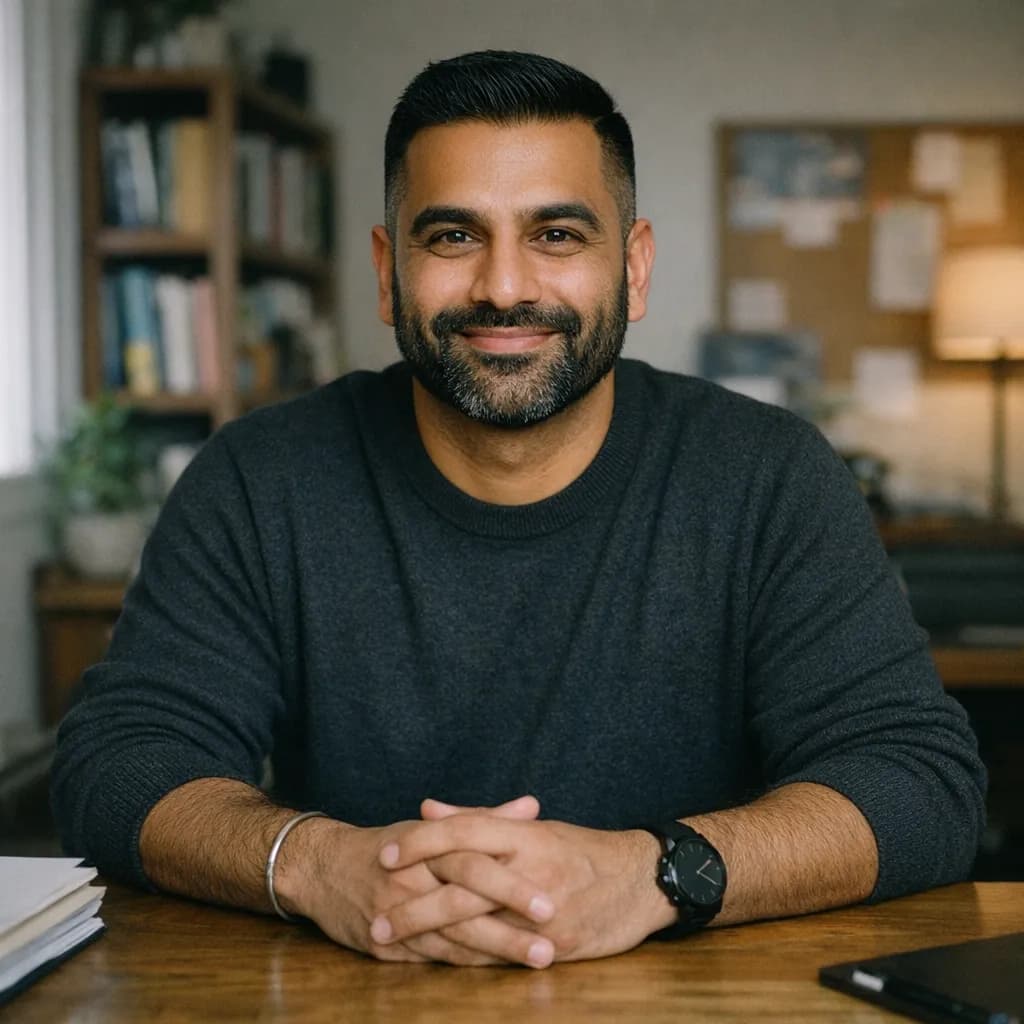
I grew up between Punjabi at home and English everywhere else, which taught me early that “I understood it” and “it was said clearly” aren’t the same thing. My dad ran a small trucking outfit and kept every receipt like it was scripture. My mom read Punjabi poetry and refused to explain it. I landed in the middle: I like meaning you can point to, and I don’t trust pretty fog. I didn’t plan on editing. I studied business because it was easy to explain at family dinners, then worked jobs where nobody had time for long sentences - operations, training docs, policy rewrites. I took a night improv course once because a friend wouldn’t go alone. I was bad at it. I still keep the ticket stub like it proves something. I started giving notes because people kept sending drafts with “can you make this make sense?” and I didn’t know how to say no. A supervisor once handed me a 40-page internal guide and said, “Fix it by Friday or we get audited.” That deadline became a habit: I read fast, I mark the real breaks, and I don’t pretend confusion is a personality trait. I’m harsher on fuzzy claims than clunky style, and I’m not interested in correcting that. Now I work with authors who want a first reader who won’t protect feelings at the expense of the book. I still ask, “What are you promising me in the first ten pages?” I don’t care if your voice is charming if your logic cheats. If your structure is designed to wander on purpose, I’m probably not your best match.

Pon tu borrador en Draftly. Corrija escenas y diálogos en el texto, no en otra pestaña. Cuando desee comentarios más precisos, los editores de IA están listos.
🤑 Créditos de bienvenida gratuitos incluidos. No se necesita tarjeta de crédito.