Caricamento
Stiamo preparando tutto. Non ci vorrà molto.
Stiamo preparando tutto. Non ci vorrà molto.
Write arguments that feel like life-or-death without car chases: learn the “ideology-as-plot” engine that makes Fathers and Sons hit so hard.
Trama del libro e analisi della scrittura di Fathers and Sons di Ivan Turgenev.
Fathers and Sons works because Turgenev builds a story where belief behaves like weather. You can’t talk it away; you have to live through it. The central dramatic question sounds polite but cuts deep: can Arkady Kirsanov bring home his new creed (and his mentor Bazarov) without wrecking his family, his friendships, and his own sense of self? If you try to imitate this novel by copying its “themes,” you will write a lecture. Turgenev writes a pressure system: people collide, then consequences bloom.
He sets that pressure in a specific place and moment: rural Russia in the early 1860s, just after emancipation, when old estates wobble and new ideas swagger. You feel the setting in the Kirsanov property, the awkward dinners, the labor talk that never quite touches laborers, the distance between Petersburg “thinking” and provincial “living.” The book’s real setting isn’t a landscape; it’s a social room with too many sharp edges. Turgenev keeps you inside those rooms long enough for manners to become weapons.
The inciting incident doesn’t arrive as a gunshot. It arrives as a return. Arkady comes home to Marino with Bazarov, and Arkady chooses to present this abrasive “nihilist” as a model worth admiring. In the very first family meetings, Bazarov refuses the expected deference, Nikolai tries to host like a good man, and Pavel bristles because he hears the future insulting his entire identity. That single decision—who Arkady brings across the threshold—starts the machine. If you miss how surgical that is, you will front-load “conflict” later and wonder why nothing sticks.
Turgenev escalates stakes through humiliation, not explosions. Each scene forces a public stance. A dinner conversation turns into a referendum on taste. A casual remark about “principles” turns into a test of manhood. The protagonist isn’t only Arkady in the conventional sense; Bazarov functions as the spear tip, the character who forces every other character to reveal what they protect. The primary opposing force isn’t “society” in the abstract; it’s Pavel Petrovich Kirsanov, whose refinement hides a rigid code and a personal injury he can’t admit.
The structure climbs by moving the characters into new social microscopes. First the estate, then the town and its officials, then Odintsova’s polished household where ideas meet composure and lose their swagger. Each move changes the rules of dominance. On the estate, Pavel can punish with manners. In Odintsova’s drawing rooms, Bazarov can’t bludgeon his way to victory because the room refuses to react. That’s how Turgenev raises the stakes: he takes the same ideological fighters and changes the arena until their favored weapons stop working.
Scopri gli editor specializzati in libri come questo, desiderosi di lavorare su progetti simili.
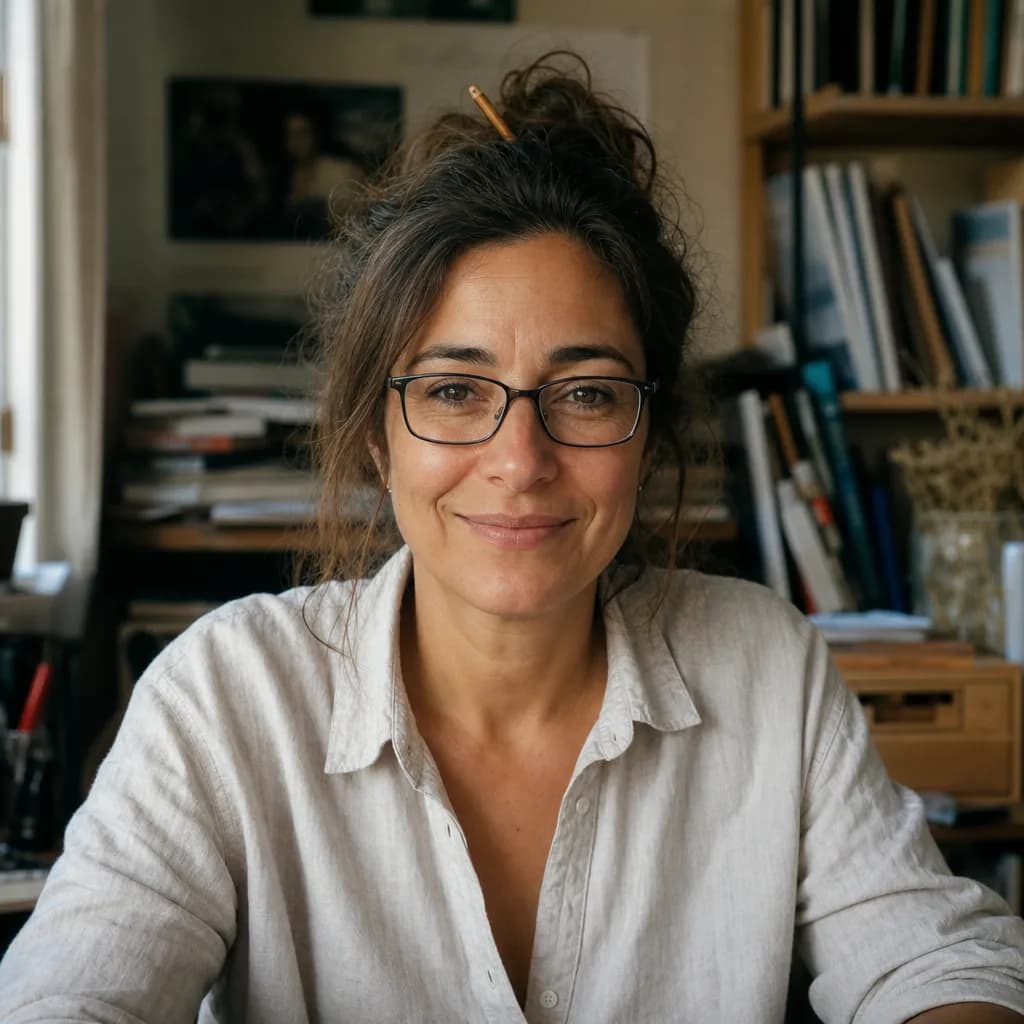
Sono cresciuta a Prato sopra una merceria di famiglia, tra rocchetti, fatture e telefonate in tre lingue. Mia madre parlava poco quando era stanca. Mio padre faceva conti su foglietti piegati in quattro. In casa i racconti finivano quasi sempre con qualcuno che aveva deciso troppo tardi. Mia nonna diceva: “Chi non decide, obbedisce.” Io me la sono scritta dentro, anche se oggi non sono sicura che sia vero. Però quando leggo un personaggio fermo troppo a lungo, la matita mi va da sola sul margine. Non sono arrivata ai libri con un piano. Ho studiato economia perché sembrava una cosa utile e perché in casa nessuno aveva voglia di discutere ancora di affitti, stipendi e futuro. Per un’estate ho riparato biciclette nell’officina di mio zio a Campi Bisenzio. Non c’entra molto con il mio lavoro, credo. Ricordo solo il grasso nero sotto le unghie e il rumore secco delle camere d’aria quando scoppiavano. Ancora oggi, quando una trama perde pressione, penso a quel suono prima di trovare le parole giuste. Il primo lavoro editoriale è arrivato per convenienza, non per vocazione. Una piccola casa editrice cercava qualcuno che sapesse usare bene Excel, leggere contratti e non spaventarsi davanti a manoscritti lunghi. Una redattrice era in maternità. Io avevo bisogno di pagare il mutuo. Ho iniziato sistemando schede, bozze, lettere agli autori. Poi mi hanno passato romanzi completi perché ero “quella che trovava dove la storia smetteva di fare i conti con se stessa”. Non era un complimento elegante, ma era abbastanza preciso. Adesso lavoro come editor generalista perché molti manoscritti non hanno un solo problema. Hanno una scelta mancata al capitolo tre, una promessa di genere dimenticata al centro, dialoghi che coprono il vuoto e un finale che arriva per comodità. So di essere più dura con i protagonisti contemplativi che con quelli impulsivi. Non provo a correggere del tutto questo limite. Nella Fiction posso accettare lentezza, ambiguità e silenzio, ma non accetto che il romanzo chieda al lettore di aspettare cento pagine prima di vedere qualcuno pagare il prezzo di una decisione.
Domande comuni su come scrivere un libro come Fathers and Sons.
Use quiet scene endings that turn on one withheld fact to make the reader feel the moral weight after the dialogue stops.
Turgenev changed the novel by proving you can write about big social pressure without turning your pages into speeches. He builds meaning through restraint: a clean surface that hides competing motives underneath. He lets the reader feel intelligent for noticing what characters refuse to admit. And that quiet confidence pulls you forward harder than melodrama.
His engine runs on calibrated distance. He places you close enough to smell the grass and hear a pause in a sentence, but not so close that you can label anyone a hero or villain. He measures sympathy in teaspoons. You watch people behave well, then watch them betray themselves with one small choice. That’s the whole trick: he makes the decisive moment look like an everyday moment.
Imitating him feels easy because the sentences look plain. That’s the trap. The difficulty lives in selection: what he shows, what he delays, and what he never explains. If you copy only the softness, you get blandness. If you copy only the melancholy, you get fog. He earns his effects through structure: scenes that arrive calm and leave you slightly ashamed you judged too early.
Modern writers need him because he teaches control without flash. He models how to argue on the page without “arguing.” He drafted with a strong sense of scene order and revised for exact emotional pressure—cutting explanations, sharpening entrances and exits, and letting implication do the work. Study him when you want to write morally complex people in a politically loud world, and still keep your prose quiet enough to sting.
Apri Draftly, porta la tua bozza e passa dall'impasse a una bozza più solida senza perdere la tua voce. Gli editor sono in attesa quando vuoi un'analisi più approfondita.
🤑 Crediti di benvenuto gratuiti inclusi. Nessuna carta di credito richiesta.The midpoint turn comes when the book proves that “nihilism” doesn’t immunize you against appetite. Bazarov, who mocks romance and art, meets Anna Sergeyevna Odintsova and discovers desire he can’t reduce to chemistry without lying. Meanwhile Arkady, who thinks he wants to be Bazarov, begins to notice how much he wants comfort, belonging, and a life that doesn’t require constant contempt. Turgenev doesn’t announce these shifts. He makes the characters behave slightly differently, and you feel the crack spread.
From there, the story tightens the screws by making pride physical. Pavel and Bazarov push their feud past talk into a confrontation that can’t stay theoretical. Turgenev uses the duel not as melodrama but as proof of contagion: the old aristocratic ritual infects the “new man,” and the “new man” infects the old world’s calm. If you imitate the duel as a “cool event,” you will miss the point. The duel lands because it exposes both men as trapped by images of themselves.
The ending resolves the dramatic question with a grim kindness. Arkady finds a workable life and a workable love, and he steps out of borrowed convictions into his own limits. Bazarov meets the boundary he spent the whole book denying: he can’t control nature, chance, or the consequences of his own recklessness. Turgenev closes on an image of continuity that refuses both cynicism and propaganda. He shows you why the novel works: it judges nobody in a simple way, but it also refuses to let anybody off the hook.
Struttura della storia e arco emotivo in Fathers and Sons.
Fathers and Sons follows a subversive “Tragedy with a contained domestic counter-melody.” Arkady starts confident because he borrows Bazarov’s certainty like a fashionable coat; he ends steadier because he accepts a smaller, truer identity. Bazarov starts armored by contempt and ends exposed by the one thing he can’t argue with: his own human need and his own mortality.
The sentiment shifts land because Turgenev makes reversals social before he makes them philosophical. Early scenes offer the pleasure of verbal dominance and swagger. Then the book flips the emotional weather: the same boldness starts to read as cruelty, then as fear. The lowest points don’t come from villainy; they come from self-contradiction catching up in public, where pride forces characters to double down until the cost turns irreversible.
Cosa possono imparare gli scrittori da Ivan Turgenev in Fathers and Sons.
Turgenev shows you how to stage ideas without turning characters into pamphlets. He assigns each worldview a social behavior, a rhythm of speech, and a vulnerability. Bazarov doesn’t “represent nihilism” in a tidy way; he performs it through blunt entrances, refusals of courtesy, and a surgeon’s confidence that makes other people feel stupid. Then Turgenev pressures that performance until it cracks. You learn the real trick: make the philosophy actionable, then punish the action.
He also controls tone with an editor’s restraint. He uses free indirect style to sit close to a character’s mind without swallowing the whole book in that character’s rhetoric. You can feel affection for Nikolai’s decency even when his gentleness looks inadequate. You can feel the sting in Pavel’s elegance even when it looks ridiculous. Modern writers often shortcut this with “balanced takes” in authorial commentary. Turgenev keeps his hands off the scale and lets scene consequences do the weighing.
Watch the dialogue between Pavel Petrovich and Bazarov at Marino: Turgenev doesn’t write “debates,” he writes dominance games. Pavel asks for definitions because he wants to trap Bazarov into an absurdity; Bazarov answers with contempt because he wants to deny Pavel the dignity of a serious opponent. Each line carries a second intention: not to persuade, but to place the other man lower in the room. If you write these exchanges as polite philosophical sparring, you will drain the voltage. People argue to win social reality, not to clarify Wikipedia.
The atmosphere comes from concrete domestic spaces, not “Russian gloom.” The Kirsanov estate runs on awkward kindness, stale rituals, and the faint embarrassment of living off old structures that no longer justify themselves. Odintsova’s house offers a different chill: order so polished it makes emotion feel vulgar. Turgenev builds world through hosting, waiting, and the small humiliations of visiting. Modern fiction often paints “setting” as scenic description. Here, setting behaves like a moral instrument that changes how characters speak, flirt, and wound.
Consigli di scrittura ispirati a Fathers and Sons di Ivan Turgenev.
Write with a calm surface and a sharp underside. Turgenev never shouts, which means every sting lands clean. You should keep your sentences plain enough that the reader forgets the prose and watches the people, but you must choose verbs that reveal judgment without preaching. Don’t decorate irony; aim it. If you want humor, let it come from contrast between a character’s self-image and the room’s reaction, not from punchlines.
Build characters as competing definitions of adulthood. Give each one a creed, but also give them a private embarrassment that the creed tries to cover. Arkady wants to look fearless, but he wants approval. Pavel wants to look unshakeable, but he can’t forgive his own past. Bazarov wants to look scientific, but he craves dominance and then tenderness. You should track what each character gains socially when they speak, and what it costs them emotionally afterward.
Don’t fall into the prestige trap of “important themes” and forget to make scenes. The genre temptation here pushes you toward speeches about progress, tradition, or class. Turgenev avoids that by making every ideological claim trigger a relational consequence inside a family system. Somebody loses face. Somebody retreats. Somebody retaliates. If your scenes end with everyone still equally plausible and equally calm, you didn’t dramatize ideas; you displayed them.
Try this exercise. Write a dinner scene where a visitor arrives as a living insult to the host’s identity, and nobody can admit it directly. Give each character one conversational tactic: define terms, change subject, mock, charm, play peacemaker. Then force a second scene in a different household with different rules of politeness, and make the same tactics fail or backfire. End with one irreversible action that proves the argument never stayed “intellectual.”

Metti la tua bozza in Draftly. Correggi scene e dialoghi nel testo — non in un'altra scheda. Quando vuoi un feedback più preciso, gli editor AI sono pronti.
🤑 Crediti di benvenuto gratuiti inclusi. Nessuna carta di credito richiesta.